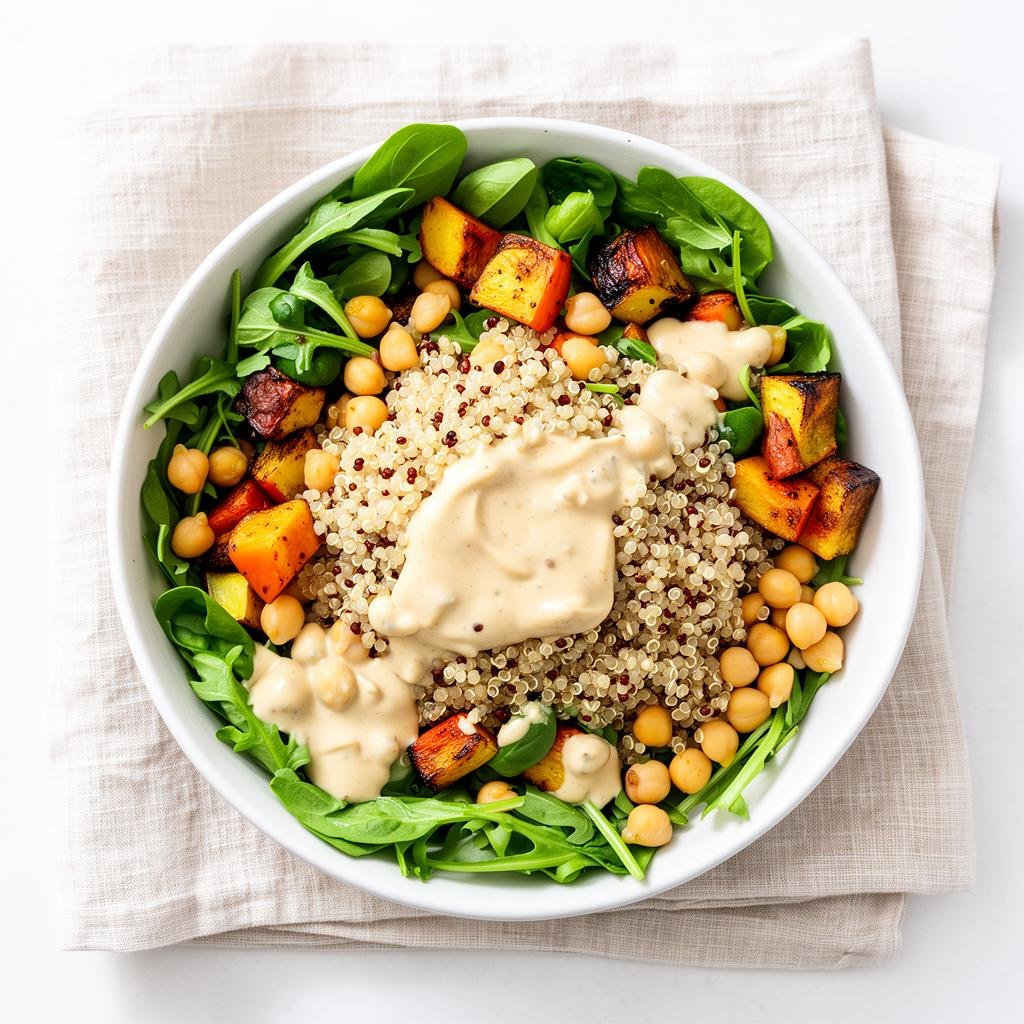
The conversation around plant-based eating has become frustratingly binary. You're either vegan or you're not. You either care about your health or you don't. The truth, as usual, is far more nuanced.
You can get enormous health benefits from simply eating more plants — without eliminating animal products entirely. In fact, some of the healthiest populations in the world (the Blue Zones) eat mostly plants with small amounts of fish, dairy, and occasionally meat.
What Does "Plant-Based" Actually Mean?
Plant-based doesn't mean plant-only. It means plants are the foundation of your diet — the majority of your plate, most of the time. Think of animal products as a side dish or accent rather than the main event.
A practical guideline: aim for 75% of your plate to come from plants (vegetables, fruits, whole grains, legumes, nuts, and seeds). The remaining 25% can be whatever animal products you enjoy.
The Health Benefits Are Staggering
Research consistently shows that diets rich in plants reduce the risk of heart disease, type 2 diabetes, certain cancers, and cognitive decline. A landmark study in the Journal of the American Heart Association found that people who ate the most plant foods had a 16% lower risk of cardiovascular disease.
Plants are packed with fiber, antioxidants, phytonutrients, and vitamins that you simply can't get from animal products. Fiber alone — which most people are dramatically deficient in — feeds your gut microbiome, regulates blood sugar, and keeps you full.
The Practical Approach
Start with one plant-based meal a day. A smoothie packed with greens, berries, and seeds for breakfast. A big salad with chickpeas for lunch. A vegetable stir-fry with tofu for dinner. You don't have to do all three — just one.
Then, gradually increase. Make two dinners a week fully plant-based. Swap your afternoon snack from a protein bar to hummus with veggies. Add beans to your soups and stews. These small shifts compound dramatically over time.
What About Protein?
The "but where do you get your protein?" question is the most overblown concern in nutrition. Legumes (lentils, chickpeas, black beans), tofu, tempeh, edamame, quinoa, nuts, and seeds all contain significant protein. A cup of cooked lentils has 18 grams — more than two eggs.
If you're eating a variety of whole foods and consuming enough calories, protein deficiency is virtually impossible. The real nutrient to watch on a more plant-heavy diet is B12, which is primarily found in animal products. A simple supplement handles this.
It's Not All or Nothing
The most sustainable dietary change is the one you can maintain. If eating a grass-fed steak once a week brings you joy, keep doing it. If you love cheese, eat cheese. The goal is to crowd out processed foods with whole plants — not to achieve dietary perfection.
Every plant-based meal you eat is a win. You don't need a label. You don't need to be perfect. You just need to eat more plants.