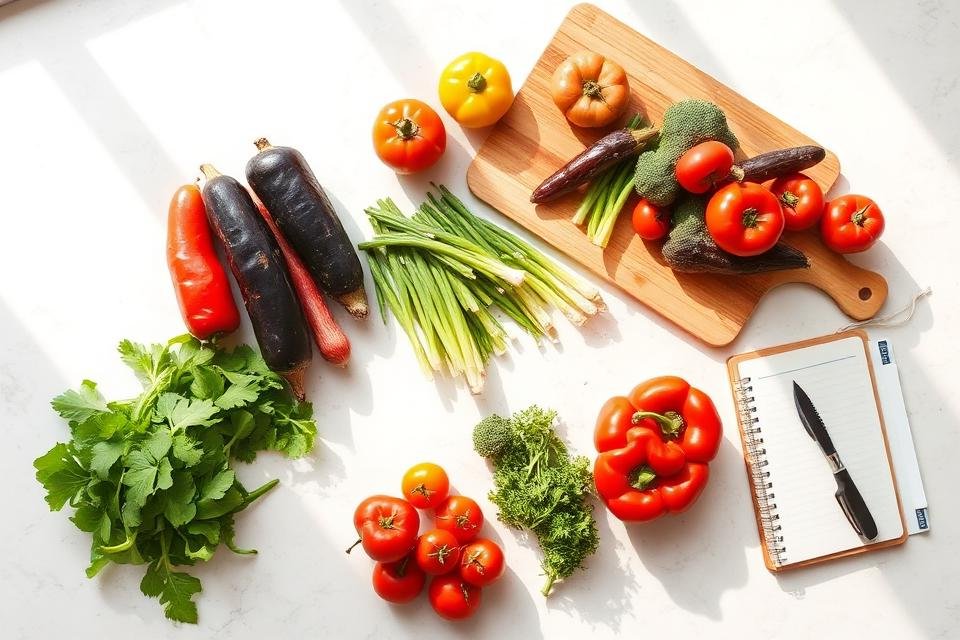
If you've ever found yourself standing in front of the fridge at 7 PM, staring blankly at a half-empty shelf, you already know why meal prepping matters. It's not about being a gourmet chef or spending your entire Sunday in the kitchen. It's about giving future-you a gift: a ready-made meal that's nutritious, delicious, and requires zero decision-making.
The concept is simple — cook a batch of food ahead of time, portion it out, and store it for the week. But the execution? That's where most people stumble. Let's break it down step by step.
Step 1: Pick Your Prep Style
There are two main approaches. Full meal prep means cooking complete meals (think grain bowls, stir-fries, or soups) and portioning them into containers. Ingredient prep means washing, chopping, and pre-cooking individual components — grains, roasted veggies, marinated proteins — so you can mix and match throughout the week.
If you're new, start with ingredient prep. It's more flexible and less overwhelming. You'll still save a ton of time during the week, and you won't feel like you're eating the same meal five days straight.
Step 2: Plan Around What You'll Actually Eat
This sounds obvious, but it's the number-one reason meal preps fail. People plan meals they think they should eat instead of meals they want to eat. If you hate kale, don't build your week around kale salads.
Write down 3–4 meals you genuinely enjoy. Look at what ingredients overlap. If you're making a chicken stir-fry and a chicken salad, you only need to cook chicken once. That's the magic of meal prep — efficiency, not perfection.
Step 3: Invest in Good Containers
Glass containers with snap-lock lids are the gold standard. They don't stain, they're microwave-safe, and they keep food fresher longer. A set of 10–12 containers in two sizes (one for mains, one for snacks/sides) will cover most people.
If you're packing lunches, look for containers with dividers — they keep sauces from soaking into grains and keep everything looking appetizing by day three.
Step 4: Master the Batch Cook
Pick one day — Sunday works for most people — and dedicate 2–3 hours to cooking. Start with the items that take longest (roasting veggies, cooking grains) and work your way to quicker tasks (washing greens, making dressings).
A typical session might look like: roast a tray of sweet potatoes and broccoli, cook a big pot of quinoa, grill or bake chicken thighs, make a jar of tahini dressing, and wash and dry your salad greens. That's five components that can be combined into dozens of different meals.
Step 5: Store Smart
Most prepped meals last 4–5 days in the fridge. If you're prepping for a full week, freeze the Thursday and Friday portions and move them to the fridge the night before. Soups, stews, and grain-based meals freeze beautifully. Salads and anything with raw veggies? Not so much.
Label your containers with the date and contents. It takes five seconds and saves you from the "mystery container" guessing game mid-week.
The Bottom Line
Meal prepping isn't about restriction or rigidity. It's about removing friction from your week so that eating well becomes the easiest option. Start small — even prepping just your lunches is a huge win. Once you feel the relief of opening the fridge and seeing a ready-made meal waiting for you, you'll never go back.